White Onion: A Chic Display Font for Business Branding
When I first started my small business, I quickly realized that a great product isn't enough. Customers need to feel something before they even touch what you sell. That feeling often comes from the visual language of your brand, and nothing speaks louder than your typography. In the crowded marketplace of online shops, boutique cafes, and handmade goods, finding the right display font can be the difference between blending in and standing out. This is where White Onion has become an essential tool in my creative arsenal.
Why White Onion Defines Modern Brand Identity
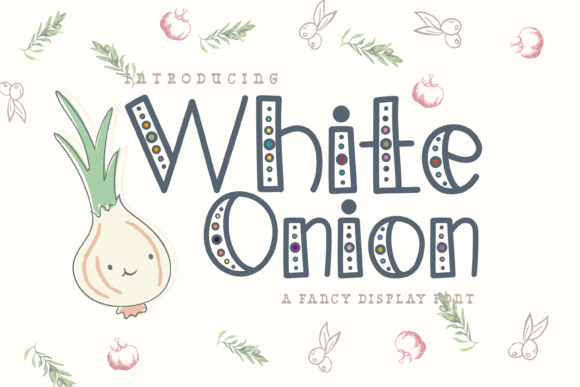
White Onion is more than just a decorative typeface; it is a clean and chic statement piece designed to elevate any project. As a display font, it carries a personality that is both sophisticated and approachable. Unlike overly ornate scripts that can look dated or difficult to read, White Onion strikes a perfect balance between artistic flair and modern minimalism. Its distinct curves and confident strokes give it a premium feel without being pretentious.
For entrepreneurs building a brand identity, consistency is key. When you use a versatile creative font like White Onion, you create a visual anchor that customers begin to recognize instantly. Whether you are selling organic skincare, running a high-end bakery, or offering life coaching services, this typeface communicates quality and attention to detail. It tells your audience that you care about the aesthetics of your business, which subtly builds trust and authority.
Real-World Applications for Your Business Materials
The true value of White Onion lies in its versatility across various touchpoints. I have found it particularly effective when used as a headline or logo element. Here is how I integrate it into different aspects of my business operations:
- Logo Design: A logo is the face of your company. Using White Onion for the primary text of your logo gives it a unique silhouette that stands out on business cards, website headers, and storefront signs. It works beautifully for boutique names or product lines that want to appear elegant yet accessible.
- Packaging Design: Product labels are prime real estate for branding. On a jar of homemade candles or a box of artisanal cookies, White Onion adds a touch of luxury. Because it is a display font, it draws the eye immediately to the product name, making your item pop on a shelf or in a social media photo.
- Social Media Graphics: In the fast-scrolling world of Instagram and Pinterest, you have seconds to grab attention. Using White Onion for quote overlays, sale announcements, or new product reveals ensures your posts stop the scroll. The clean lines render well even on smaller mobile screens, maintaining readability while adding style.
- Menus and Flyers: For café owners or event planners, menus need to be legible but inviting. While body text should remain simple, using White Onion for section headers or signature dish names adds character and sets the mood for the dining experience.
- Thank-You Cards and Stickers: Small details matter. Including a thank-you note with your brand name in White Onion creates a memorable unboxing experience. It turns a standard transaction into a branded moment that encourages customer loyalty.
Mastering Readability and Usage Contexts
While White Onion is stunning, it is important to understand its limitations as a display font. Display fonts are designed to be seen at larger sizes. They shine when used for headlines, logos, and short phrases. I never use White Onion for long paragraphs of body text. If you try to write a blog post or a detailed policy page in this font, the intricate details can become muddy, especially on digital screens or small printed labels.
To maintain professionalism, reserve White Onion for the "wow" moments in your design. Use it for the title of your landing page banner, the name of your flagship product, or the main headline on your promotional flyer. By restricting its use to these high-impact areas, you ensure that every time a customer sees it, it feels special and intentional rather than overwhelming.
Strategic Font Pairing for Cohesive Designs
One of the most common questions I get from other small business owners is how to pair White Onion with other typefaces. The golden rule of typography is contrast. Since White Onion is expressive and decorative, it pairs best with simple, neutral fonts that let it breathe.
I frequently pair White Onion with a clean sans serif font for body copy. Fonts like Helvetica, Open Sans, or Lato provide a modern, structured backdrop that allows the elegance of White Onion to take center stage. This combination works perfectly for web design, ensuring that your headlines are stylish while your content remains easy to read.
Alternatively, if you are aiming for a slightly more traditional or editorial look, pairing White Onion with a classic serif font can create a timeless aesthetic. This is particularly effective for wedding planning businesses, literary blogs, or heritage brands. Just avoid pairing it with another script font or a highly decorative typeface, as this will create visual clutter and confuse your audience.
Practical Tips Before You Commit
Before you download White Onion and apply it to your entire brand kit, take the time to test it. Typography can look very different depending on the medium. What looks crisp on your monitor might lose definition when printed on matte paper or viewed on a low-resolution phone screen.
Create a few mockups first. Print a sample label for your product packaging to see how the ink sits on the material. Create a dummy Instagram post to check legibility on mobile devices. Ensure that the letterforms remain distinct and don't merge together at smaller sizes. Testing helps you confirm that the font aligns with your brand's practical needs, not just your initial excitement.
Understanding Commercial Licensing
Finally, a crucial step for any entrepreneur is checking the licensing terms. Many beautiful premium fonts come with restrictions on commercial use. Before you use White Onion on products you intend to sell, such as merchandise, templates, or client work, verify that you have purchased the appropriate commercial license.
Using a font without the correct license can lead to legal issues down the road, which no small business wants to deal with. Ensure your license covers all your intended uses, including digital downloads, print materials, and social media assets. Investing in the right license protects your business and ensures you can use your design assets with peace of mind.
By thoughtfully integrating White Onion into your marketing strategy, you can create a cohesive, professional, and memorable brand presence. It is a powerful tool for turning simple ideas into standout visuals that resonate with your target customers. With the right application and respect for its design strengths, this chic display font can help your business grow and leave a lasting impression in a competitive market.